Drug Driving vs Drink Driving Queensland: Differences & Penalties
This comprehensive guide addresses drug driving vs drink driving Queensland penalties, one of the most important aspects of facing a drink driving charge in QLD. Understanding this topic fully can significantly impact your legal outcome, sentencing prospects, and future. This guide explains what you need to know to make informed decisions. It is general information, not legal advice.
The Problem You’re Facing
Many drink driving offenders in QLD don’t fully understand the implications of drug driving vs drink driving Queensland penalties until it’s too late in their court process. Without proper knowledge and preparation, you may miss critical opportunities to achieve better outcomes, inadvertently make decisions that worsen your situation, or fail to present persuasive arguments to the court. This guide ensures you’re fully informed and can approach your matter strategically.
Understanding the Legal Framework
The first step in addressing drug driving vs drink driving Queensland penalties is understanding the fundamental legal framework that governs this issue in QLD. Drink driving laws are strictly enforced with mandatory minimum penalties for many offences. The specifics of your situation—your breath alcohol level, prior criminal history, family circumstances, and individual factors—all play crucial roles in determining outcomes.
This section breaks down the essential legal concepts and how they apply to your situation. Courts in QLD apply specific sentencing principles when deciding penalties for drink driving matters. Understanding these principles helps you appreciate what factors the magistrate will consider and how to present your case persuasively. The law in QLD requires magistrates to consider your personal circumstances, your prospects for rehabilitation, your remorse, and various other factors when determining sentences. This creates opportunities for you to present strong mitigation arguments.
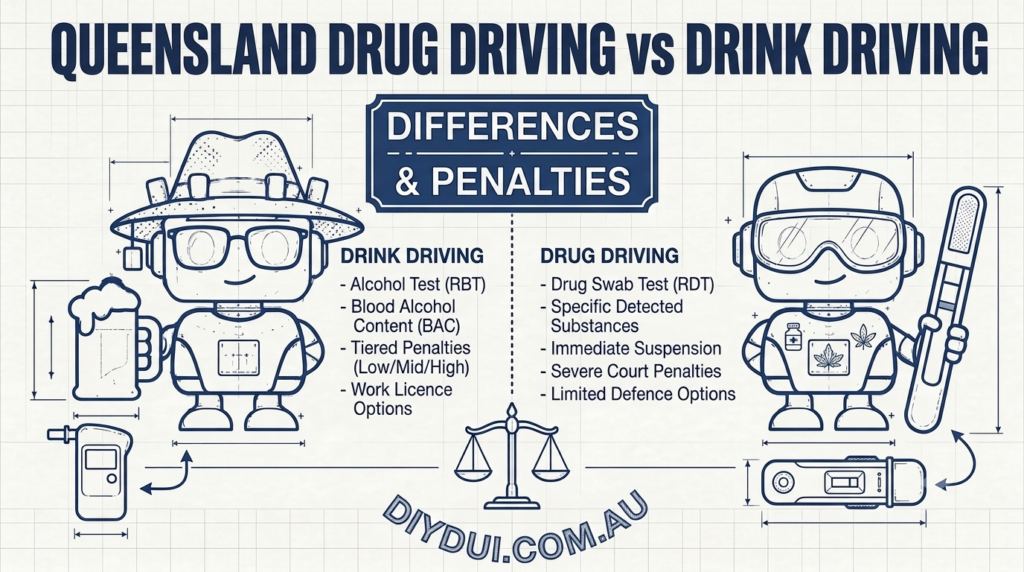
Key Difference: Drug driving and drink driving are fundamentally different offences under Queensland law, with different legal tests, penalties, and sentencing considerations. Understanding which offence applies to your situation is critical.
Your Legal Rights and Responsibilities
As someone facing drink driving or drug driving charges in Queensland, you have specific legal rights and responsibilities that are essential to understand. From your right to legal representation (though you can represent yourself) to your responsibility to provide truthful information to the court, knowing where you stand legally gives you a solid foundation.
You have the right to be informed of the charges against you, to be heard in court, and to present evidence supporting your case. You also have the right to appeal if you believe sentencing was manifestly excessive. However, you also have the responsibility to comply with court orders, attend all hearings, and provide truthful information. Understanding these rights and responsibilities helps you navigate the court process confidently and ethically.
The Court Process and Timelines
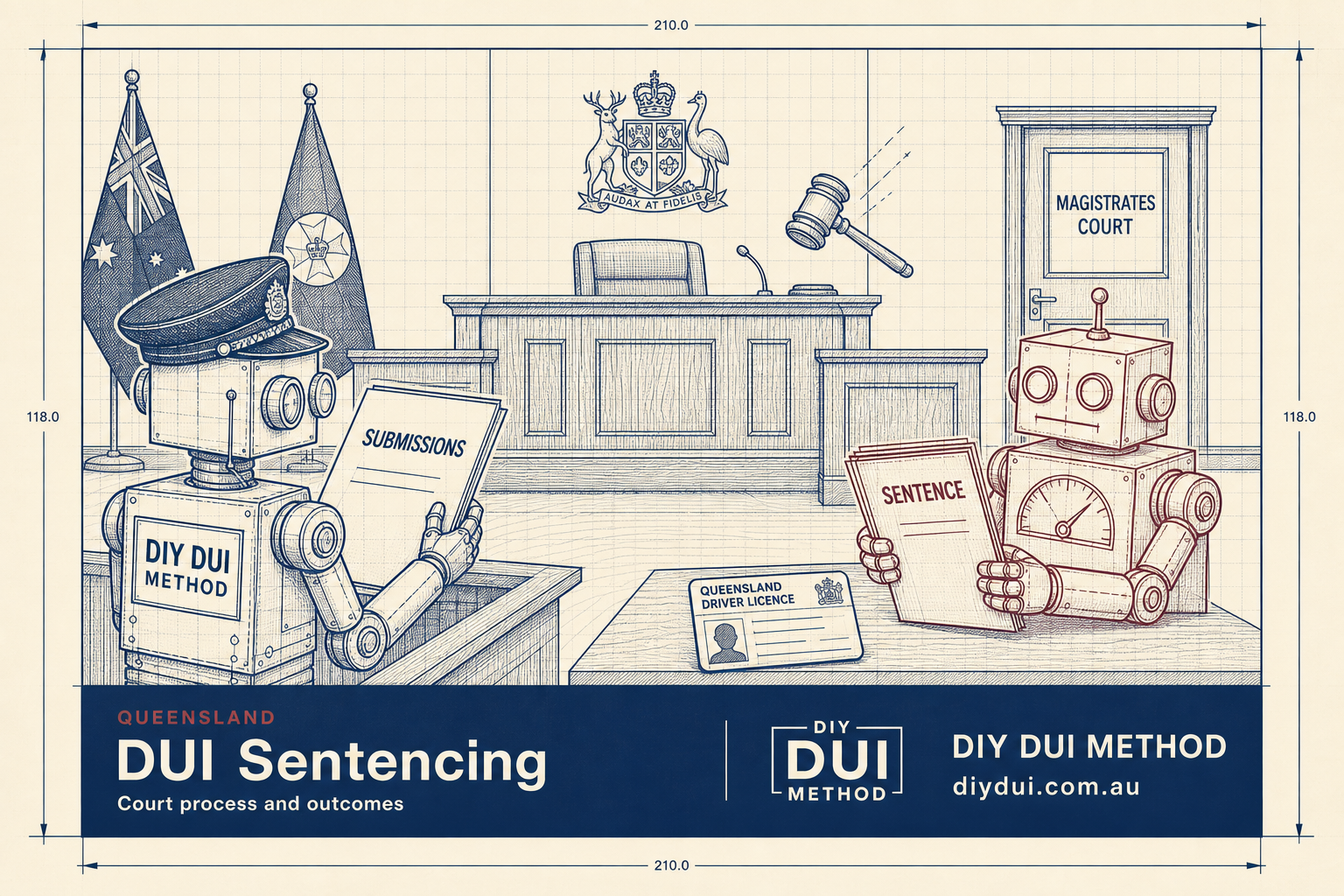
The court process for drink driving matters in QLD follows specific procedures and timelines. From your first court appearance (your ‘first mention’) through to sentencing, each stage has defined steps and opportunities for you to present your case effectively. Understanding this process reduces anxiety and helps you prepare strategically.
Your first mention typically happens within 4–6 weeks of receiving your Notice to Appear. At this appearance, the magistrate will ask how you intend to plead. Most self-represented defendants ask for an adjournment at this point to prepare their case. This is standard and the magistrate will usually grant 4–8 weeks adjournment.
During the adjournment, you gather character references, write an apology letter, complete traffic education programs, and prepare your submissions. On your sentencing date, you’ll present your case and the magistrate will deliver sentence. Understanding each stage helps you prepare effectively.
Practical Steps You Can Take Now
Whilst every case is unique, certain practical steps benefit nearly all people facing drink driving charges in Queensland. Taking proactive action now demonstrates to the court your commitment to responsibility and rehabilitation.
- Document what happened: Immediately gather any evidence supporting your case
- Obtain character references: Secure references from credible people who know you well
- Complete education programs: Undertake traffic education or counselling to show commitment to change
- Write an apology letter: Express genuine remorse in a thoughtful letter
- Research sentencing: Understand the outcomes others have received for similar offences
- Prepare submissions: Draft written submissions addressing sentencing factors
Taking these steps doesn’t guarantee a particular outcome, but it significantly improves your prospects by demonstrating genuine responsibility and putting you in the strongest possible position at court. Family members can be particularly valuable in this preparation process, providing character references and support that demonstrates your genuine commitment to change.
✓ Family References Are Powerful: Family members can provide uniquely credible character evidence. Their long-term knowledge of you, understanding of your values, and ability to speak authentically to your character development make them invaluable in court.
Common Mistakes People Make
Many people facing drink driving charges inadvertently harm their cases through common mistakes. Being aware of these pitfalls helps you avoid them:
- ❌ Discussing your case publicly — Social media posts, conversations with friends, or family discussions can come back to haunt you
- ❌ Ignoring court deadlines — Failure to appear in court results in automatic conviction and likely jail time
- ❌ Late character reference gathering — Do it immediately and allow time for thoughtful references
- ❌ Insincere apology letters — Take time to write something genuine that doesn’t make excuses
- ❌ Appearing unprepared — Preparation demonstrates respect for the process and improves your outcome
- ❌ Police interviews without representation — Never discuss your case with police without understanding what you’re saying or having legal representation
Avoiding these mistakes puts you on a better footing for your hearing and significantly improves your prospects of achieving the best possible outcome.
Planning Your Future After Conviction
Facing drink driving or drug driving charges requires thinking beyond the immediate court hearing to your longer-term future. Understanding the likely sentencing outcomes and planning accordingly helps you manage the broader impacts of a conviction.
After sentencing, you’ll face a period of licence disqualification, possible interlock installation, a criminal record, insurance impacts, and potential employment consequences. Planning ahead helps you manage these impacts effectively.
Consider whether you’ll need to apply for a work licence, how you’ll arrange transport whilst disqualified, what impact a criminal record might have on your employment or career prospects, and what steps you should take to demonstrate rehabilitation. Thinking through these longer-term implications and making plans to address them shows maturity and responsibility, which magistrates view favourably when sentencing. Additionally, understanding what your life will look like post-conviction helps you make informed decisions about how to present your case.
Frequently Asked Questions
Q: What is the typical outcome for drug driving vs drink driving Queensland penalties?
Outcomes vary significantly based on your specific circumstances, prior history, and how effectively you present your case. In QLD, courts apply sentencing principles that consider multiple factors. Working with the guidance provided helps you understand what factors influence outcomes and how to present your case persuasively to achieve the best possible result given your situation.
Q: When should I start preparing for my drug driving vs drink driving Queensland penalties matter?
Start preparation immediately after receiving your Notice to Appear. The sooner you gather character references, complete rehabilitation programs, and prepare supporting documentation, the stronger your case will be. Preparation demonstrates genuine commitment to responsibility and significantly improves outcomes.
Q: Do I need a lawyer for drink driving charges?
This depends on your circumstances, financial situation, and case complexity. This guide provides comprehensive information to help you represent yourself effectively. However, for complex cases, if you have legitimate defences, or if you’re concerned about outcomes, professional legal advice is valuable. Consider consulting a lawyer for at least an initial assessment of your case.
Q: Can I avoid a criminal record for drink driving in Queensland?
In some circumstances in QLD, it’s possible to receive a sentence without a conviction recorded. This requires demonstrating exceptional circumstances, strong character, and genuine remorse. This is rare and only available in limited situations, but it’s possible. Your presentation of the case and supporting material significantly influence whether this outcome is achievable.
Q: What happens if I don’t prepare properly for court?
Appearing unprepared typically results in harsher penalties. The magistrate views poor preparation as suggesting lack of remorse or seriousness about your situation. Strong preparation—character references, rehabilitation, apology letters, and thoughtful submissions—demonstrates genuine commitment to responsibility and significantly improves sentencing outcomes.
Q: How long will my licence be suspended in Queensland?
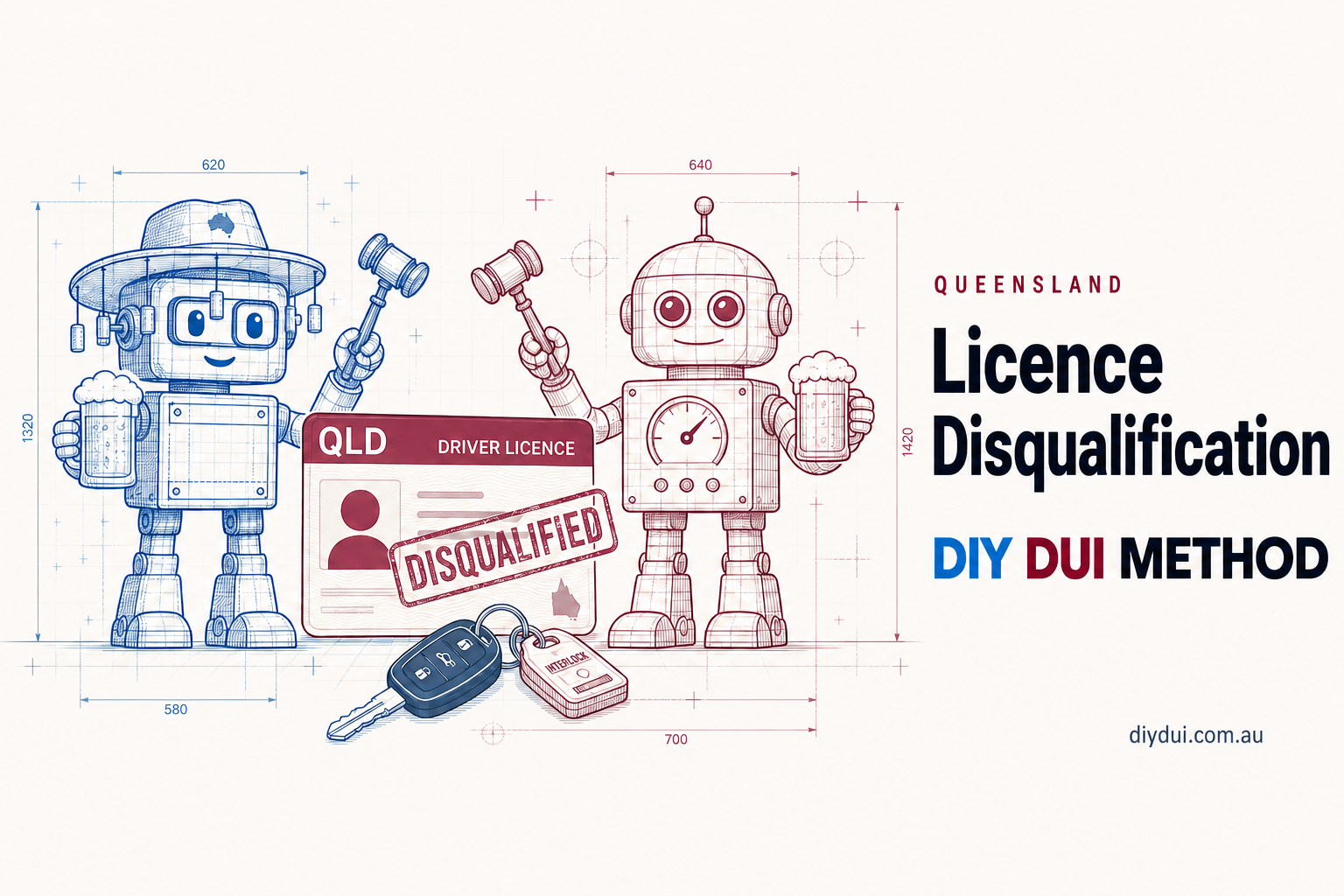
Licence disqualification periods vary based on your breath alcohol reading and prior history. In QLD, a first offence at low range results in 3–6 months disqualification, mid range 6–12 months, and high range 12+ months. After disqualification ends, you must apply for restoration before you can legally drive again.
Q: Can I appeal my sentence in Queensland?
Yes, appeal rights exist, though grounds are limited. Appeals typically address whether the sentence was manifestly excessive or whether the court failed to consider relevant factors. Appeals are complex, expensive, and uncertain. It’s far better to prepare thoroughly initially and achieve the best outcome first time.
Related Resources
To build a complete understanding of your drink driving or drug driving matter in Queensland, explore these related guides:
- Character References for Drink Driving Court Queensland — How to obtain and present powerful character evidence
- Queensland Interlock Program: Complete Guide — Understanding mandatory interlock requirements and alternatives
- No Conviction Recorded in Queensland — When and how to seek a sentence without conviction
- Drink Driving Disqualification Periods Queensland — Complete breakdown of licence suspension periods
Ready to Protect Your Rights?
Drink driving or drug driving in Queensland.
The DIY DUI Method gives you the knowledge and tools to navigate your drink driving or drug driving matter with confidence, understanding the differences between offences, and approaching your case strategically in Queensland.
Start Your QLD Plea Program
QLD + Work Licence
Disclaimer: This information is provided for educational purposes and is not legal advice. The DIY DUI Method does not constitute a legal service. Whilst we strive to provide accurate information about drink driving and drug driving law in Queensland, court procedures are complex and circumstances vary significantly between cases. This content should not be relied upon as a substitute for professional legal advice. If you’re facing a drink driving or drug driving charge in Queensland, particularly if it’s a serious matter, involves repeat offences, professional licences, or other aggravating factors, we strongly recommend consulting with a qualified drink driving lawyer who can advise on your specific circumstances. Your specific situation may have legal complexities not covered in this general educational material. The information contained herein is accurate to our best knowledge as at the date of publication but may change as case law and legislation evolve.
Ready to Protect Your Rights?
Drink driving or drug driving in Queensland.
The DIY DUI Method gives you the knowledge and tools to navigate your drink driving or drug driving matter with confidence, understanding the differences between offences, and approaching your case strategically in Queensland.
Start Your QLD Plea Program
QLD + Work Licence
Disclaimer: This information is provided for educational purposes and is not legal advice. The DIY DUI Method does not constitute a legal service. Whilst we strive to provide accurate information about drink driving and drug driving law in Queensland, court procedures are complex and circumstances vary significantly between cases. This content should not be relied upon as a substitute for professional legal advice. If you’re facing a drink driving or drug driving charge in Queensland, particularly if it’s a serious matter, involves repeat offences, professional licences, or other aggravating factors, we strongly recommend consulting with a qualified drink driving lawyer who can advise on your specific circumstances. Your specific situation may have legal complexities not covered in this general educational material. The information contained herein is accurate to our best knowledge as at the date of publication but may change as case law and legislation evolve.