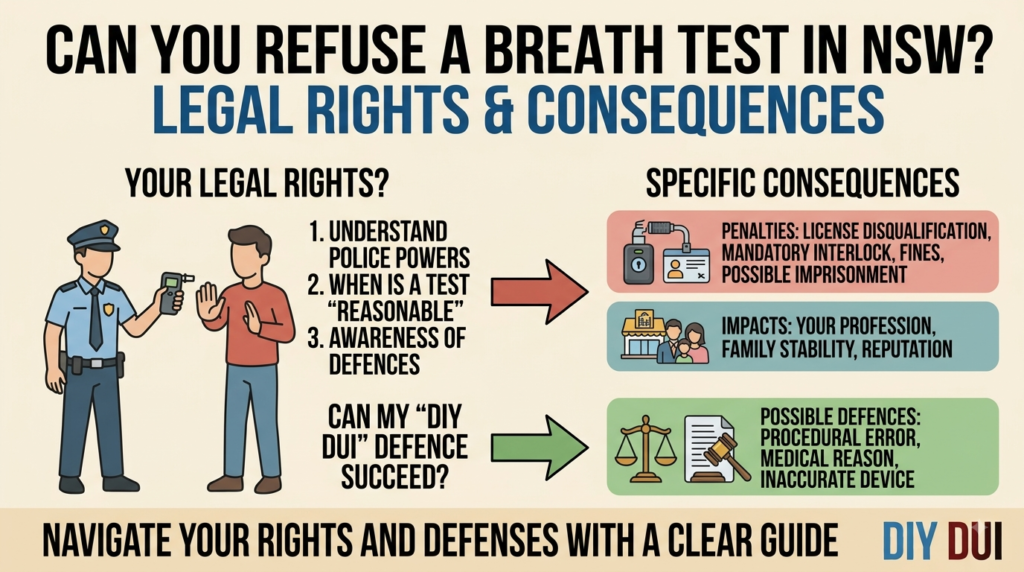
Refusing a breath test when pulled over by NSW police is a serious decision that can have
lasting consequences—not just for you, but for your family’s financial stability and your
professional reputation. Yet many drivers don’t understand their actual legal rights or the
specific defences available to them. This comprehensive guide explains NSW breath test refusal
law, your constitutional rights, proven legal defences, and how to protect your family’s future.
Frequently Asked Questions
What’s the legal difference between refusing a roadside breath test and a police station breath test?
Roadside breath tests are preliminary screening tools. You can refuse, but this creates suspicion. Police station breath tests (evidentiary tests) are legally required if you fail the roadside test. Refusing an evidentiary test is a specific offence with serious penalties. NSW law distinguishes between these two types differently than other states.
Can I refuse a breath test for medical or religious reasons?
Possibly, but only if the refusal is based on a genuine medical condition (like severe GERD) or a verifiable religious belief. You must inform police of your reason immediately. General discomfort or preference is not a valid defence. Medical evidence should be documented before the incident if possible.
What penalties apply if I’m convicted of breath test refusal in NSW?
Maximum penalties include fines of $3,300 (first offence) or $5,500 (second offence), licence disqualification (for a first refusal of breath analysis, an automatic 3 years with a 12-month minimum, or 6 to 9 months followed by a 24-month interlock period where a mandatory interlock order is made), and up to 18 months jail even for a first offence of refusing breath analysis (up to 2 years for a second offence). A conviction record also affects employment, professional licensing, and travel. These penalties often exceed standard drink driving penalties.
Can a faulty breath test machine be a valid defence?
Yes. If the breathalyzer wasn’t properly calibrated, maintained, or operated by a certified officer, test results can be challenged. Request maintenance records and operator certification. A lawyer can subpoena this evidence to demonstrate unreliability.
How does breath test refusal affect my family and employment?
A conviction can trigger licence disqualification (affecting employment and childcare logistics), professional licensing suspension (doctors, lawyers, engineers), and financial hardship. A conviction record appears on some background checks. Some employers terminate employment immediately upon conviction.
What if I refused because I was confused about my rights?
Confusion alone is not a defence, but procedural errors are. If police failed to properly inform you of your rights, or if they used coercion or threats, these become defences. This is why having an expert defence immediately matters.
Can I negotiate the charge down with prosecutors?
Absolutely. Prosecutors often accept guilty pleas to lesser charges (like speeding) to avoid trial risk. A lawyer can highlight weaknesses in their case (procedural errors, equipment failures, witness credibility issues) to negotiate more favourable terms.
How long does a breath test refusal conviction stay on my record in NSW?
A conviction is permanent on your criminal record. However, once the disqualification period ends, you may be eligible to apply for licence reinstatement. Some professional licensing bodies may review your case after a certain period. Employment prospects improve over time as the offence becomes less recent.
Refusing to provide a breath test when requested by police is a serious offense in NSW with penalties that can exceed standard drink driving charges. Understanding your rights, the legal framework, and available defenses is critical.
Two Types of Breath Tests in NSW
NSW distinguishes between roadside breath tests (RBT) and evidentiary breath tests. Understanding the difference is essential because the legal requirements, rights, and defenses differ for each type.
Roadside Breath Tests (RBT)
What Is an RBT?
Roadside breath tests are preliminary screening tests conducted at the roadside after a traffic stop. They use a handheld breathalyzer device to detect the presence of alcohol.
When Can Police Request an RBT?
- Random traffic stops without suspicion of drink driving
- After an accident where a vehicle is involved
- When the officer suspects you’ve consumed alcohol
- At designated random breath test sites
Your Rights Regarding RBTs
Under NSW law, you are required to provide a preliminary breath sample for an RBT if requested by police. However, police must have legal authority to conduct the test. If they lack this authority—such as conducting a test without any legal basis—this becomes a defense issue.
Evidentiary Breath Tests
What Is an Evidentiary Breath Test?
An evidentiary breath test is conducted at a police station using more sophisticated equipment and is intended to provide evidence of your exact blood alcohol level for court proceedings.
When Are Evidentiary Tests Administered?
- After a positive roadside breath test result
- When police reasonably believe you’ve driven with excess alcohol
- Following an accident involving suspected impairment
Your Legal Rights
Before administering an evidentiary breath test, police must:
- Inform you of the legal requirement to provide a sample
- Explain the consequences of refusal
- Allow you to consult with a lawyer (if requested and practicable)
- Ensure the equipment is properly calibrated and functioning
- Follow strict procedural requirements
Legal Defenses to Breath Test Refusal
1. Lack of Legal Authority
If police requested a breath test without legal authority—for example, without reasonable suspicion or proper cause—this is a complete defense to refusal charges. A lawyer would need to examine whether the original stop was lawful.
2. Failure to Provide Required Information
Police are required to explain the legal requirement and consequences of refusal before the test. If they failed to provide this information, this may be a defense.
3. Medical Inability to Provide Sample
If you had a genuine medical condition preventing you from providing a breath sample (such as severe respiratory conditions), this may be a defense. However, you must demonstrate the condition prevented you from complying, not that you simply didn’t want to.
4. Equipment Malfunction
If the breathalyzer was not properly calibrated, maintained, or functioning correctly, this defense applies. A lawyer can request technical evidence about the equipment.
5. Procedural Violations
Strict procedures govern breath testing. Violations—such as improper administration, failure to allow observation, or incorrect documentation—can result in test evidence being inadmissible.
Why Family Support Matters
If you refused a breath test, understanding your reasons is important for your defense. Whether you were confused about your rights, in distress, or had a medical condition, family members can provide context about your character and circumstances. Courts consider whether your refusal was deliberate defiance or a misunderstanding.
Penalties for Breath Test Refusal
Penalties for refusing to provide a breath sample can be severe and sometimes exceed standard drink driving penalties:
- Mandatory licence disqualification (12 months minimum for first offense)
- Fines up to $3,300 (first offense)
- Fines up to $5,500 (second offense within 5 years)
- Imprisonment of up to 18 months (first offence) or 2 years (second offence)
Related Resources
- Building a Strong DUI Defense: What You Need to Know
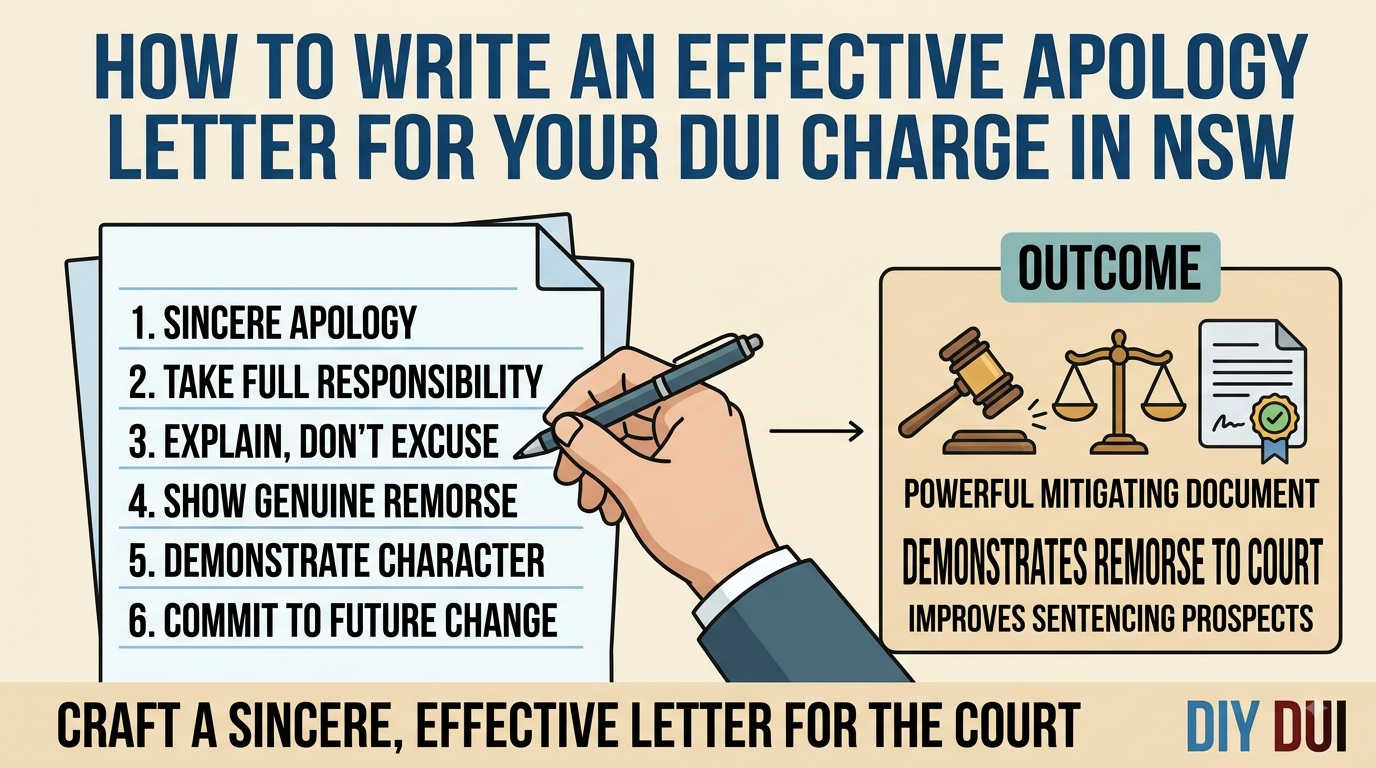
- How to Write an Effective Apology Letter for Your DUI Charge in NSW
- Negotiating with NSW Prosecutors: Strategies for Better Outcomes
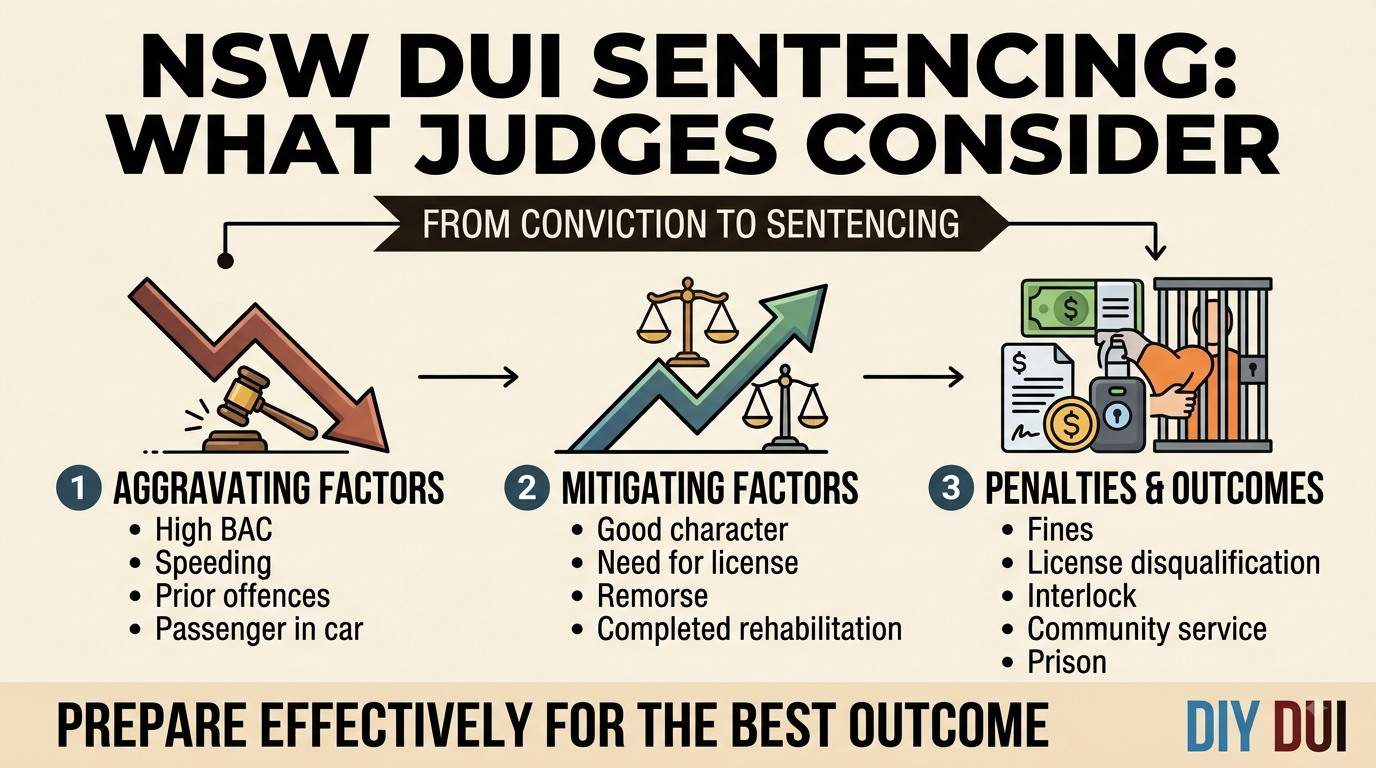
- The NSW DUI Sentencing Process: What to Expect in Court
- Understanding NSW Licence Disqualification Periods After a DUI Conviction
- How Mental Health and Medical Evidence Can Support Your DUI Defense
- DUI Character References: Why They Matter and How to Use Them
External Resources
- NSW Road Transport Act 2013 – Breath Testing Requirements
- NSW Government Breath Testing Information
- NSW Crimes Procedure Act 1986
Challenge Your Breath Test Refusal Charge
Breath test refusal charges require specialized knowledge of police procedures and testing protocols. An experienced DUI lawyer can identify violations and build a strong defense.
Legal Disclaimer
This article provides general information about breath test refusal charges and should not be construed as legal advice. Laws and procedures may change and vary by jurisdiction. Always consult with a qualified DUI lawyer for advice specific to your case.
Related Resources
Protect Your Family’s Future
Protecting your family starts with understanding your rights. Get expert legal guidance today and protect your licence, career, and future.
Get Expert Help Now
Legal Disclaimer – NSW
This article provides general information about NSW drink driving law and should not be construed as legal advice. Laws and procedures may change. Always consult with a qualified NSW lawyer for advice specific to your case and circumstances.
Protect Your Family’s Future
Get expert legal guidance today to navigate your NSW DUI case and protect your licence, career, and family’s future.
Get expert legal guidance today to navigate your NSW DUI case and protect your licence, career, and family’s future.